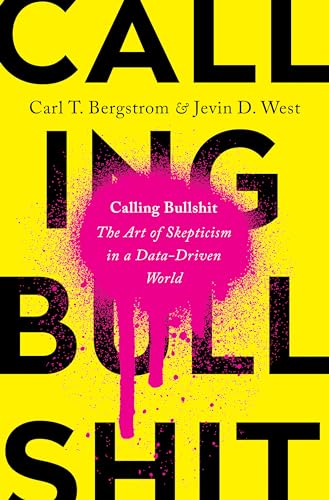
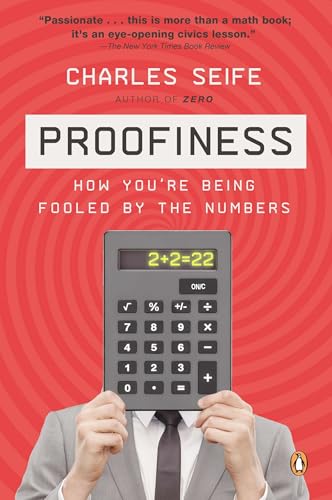
Average US movie ticket priceUS public EV charging stations
It is a curious fact, and one that ought to trouble us more than it does, that Americans have spent the last thirteen years paying more money to sit in darkened rooms while, in a separate and entirely unrelated corner of the economy, they have simultaneously installed more machines to charge invisible electrons into metal boxes. One would think these two activities had nothing to do with each other, and one would be completely right, yet here they are moving in perfect synchronization like dance partners who have never met. The universe, it seems, has a sense of timing but no sense of irony.
Both phenomena also track with something deeper: the cultural shift toward experiences and technology as status markers. Young, urban, educated Americans—the demographic most likely to see movies in theaters and own electric vehicles—were becoming more concentrated and more prosperous during this window, and they spent accordingly.
We have discovered that movie tickets and charging stations are not, in fact, mysteriously linked by some cosmic principle, but rather that they are both passengers on the same long economic flight. This should comfort us, except that it means we have just spent considerable mental energy confirming something we probably knew already: that people with money tend to buy more things. The absurdity was never in the correlation. It was in expecting there to be none.
As an Amazon Associate, getspurious.com earns from qualifying purchases. Learn more.
Want to learn more about why correlations like “Average US movie ticket price” vs “US public EV charging stations” don't prove causation? Read our guide to statistical thinking.