It is a curious fact, and one that the universe has seen fit to arrange with what one might charitably call a sense of humour, that the number of times Elon Musk has launched a rocket into space between 2015 and 2022 correlates almost perfectly with the number of Americans who have decided that hitting a small plastic ball over a net with a paddle is precisely what their lives were missing. One wonders what the rockets are for if not to escape this.
The answer, as it turns out, is probably much simpler and sadder than cosmic alignment: both trends ride the back of the same economic wave. The years 2015 to 2022 saw a steady expansion in American disposable income and leisure spending, which funded both SpaceX's increasingly ambitious launch schedule and the middle-class appetite for novel sports that don't require joining a country club. Pickleball participation roughly quadrupled in this period, from about 2.5 million players to 8 million, which is to say it grew from the population of New Mexico to the population of Virginia, all of them suddenly convinced that this was the sport they'd been waiting for their entire lives.
What we are witnessing here is not prediction so much as coincidence riding on the back of broader economic conditions, which is to say we are witnessing what humans do best: finding the pattern and then becoming very confident about it. The correlation tells us nothing about causation and everything about the fact that prosperity and novelty tend to arrive together. Neither rockets nor paddles care about the other.
As an Amazon Associate, getspurious.com earns from qualifying purchases. Learn more.
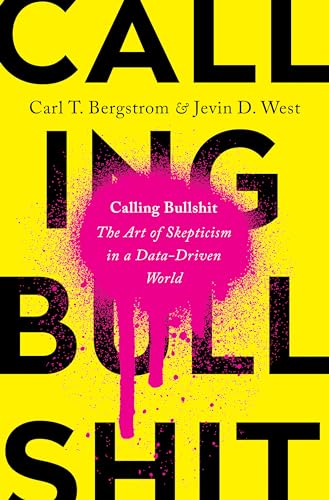
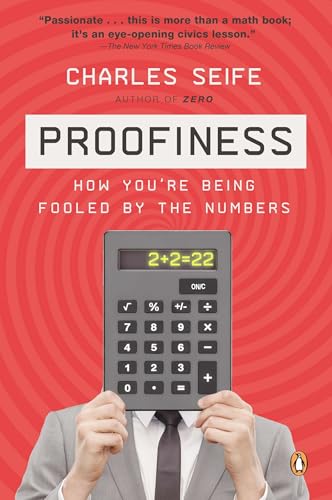
Want to learn more about why correlations like “SpaceX launches per year” vs “US pickleball players” don't prove causation? Read our guide to statistical thinking.