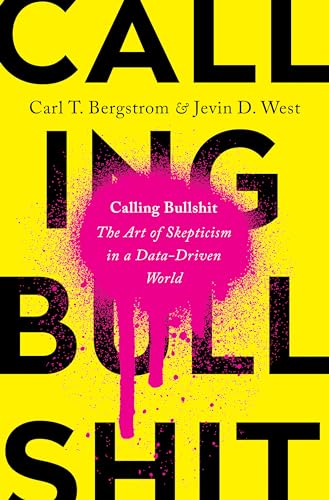
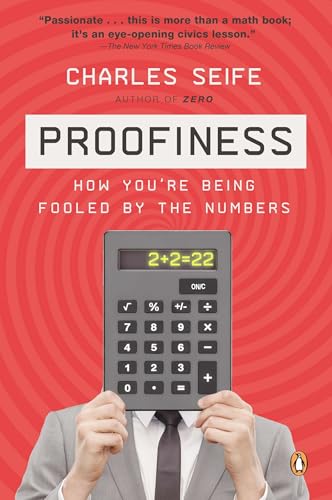
US dog treat and chew market revenueFAA-licensed commercial space launches
It is a curious fact, and one that speaks to humanity's extraordinary talent for noticing correlations between things that have absolutely nothing to do with one another, that the amount of money Americans spent on treats and chews for their dogs climbed in nearly perfect synchronisation with the number of rockets we managed to launch into space between 2005 and 2022. One moves up, the other moves up. One wobbles slightly, the other wobbles in sympathy. It is as if the universe were playing a joke, and we were reliably the punchline.
But here is the thing: both trends are probably riding the same vast economic wave. The dog treat market exploded as Americans got richer, more leisure-focused, and increasingly willing to spend money on their pets' wellbeing—we were spending roughly four times as much on dog snacks by 2022 as we were in 2005, a shift from treating dogs as animals to treating them as small, furry family members with consumer preferences. Meanwhile, commercial space launches picked up momentum as companies got serious about satellite technology, hedge funds discovered that billionaires could actually achieve their childhood dreams, and the technology needed to launch things became fractionally less impossibly expensive. Both depend on a wealthier, more confident economy. Both accelerate when people believe the future is worth investing in.
What we have stumbled upon, then, is not a causal link between premium dog kibble and orbital mechanics, but rather two separate manifestations of the same underlying phenomenon: an era of unprecedented disposable income and technological optimism. The correlation tells us nothing about the variables themselves. It tells us something about the times they lived through. Both are children of the same prosperity, which is a less catchy thing to say about synchronized data, but considerably more true.
As an Amazon Associate, getspurious.com earns from qualifying purchases. Learn more.
Want to learn more about why correlations like “US dog treat and chew market revenue” vs “FAA-licensed commercial space launches” don't prove causation? Read our guide to statistical thinking.