Trained Catholic exorcists in the USEnergy drink sales in the US
From 2005 to 2023, the number of trained Catholic exorcists in the US grew from a reported 12 to over 100, while energy drink sales expanded from roughly $3 billion to over $21 billion, with the two moving in near-perfect parallel at r = 0.9675. The Church has not confirmed that demonic possession is correlated with taurine consumption, but the timing is suggestive. It is possible that energy drinks are opening spiritual doorways that trained clergy are required to close, which would make Red Bull the most theologically consequential beverage since communion wine. The Bishop of Rome is presumably aware of this chart.
Both trends reflect mainstream institutional responses to the cultural anxieties and energies of the same two-decade period in the US. The Vatican actively encouraged the expansion of exorcism ministry from 2014 onward, with the US Conference of Catholic Bishops reporting significant growth in trained practitioners as part of a broader traditionalist revival. Energy drink sales grew through aggressive marketing to young men, sports and gaming sponsorships, and distribution expansion, becoming a $21 billion industry by 2023. Both are upward-trending series in overlapping time periods representing different expressions of American appetite — one for stimulation, one for spiritual protection from the consequences of stimulation.
The correlation between exorcists and energy drinks is perhaps the purest example in this collection of two unrelated institutions growing in parallel, each responding to different cultural forces that happen to produce similar-shaped growth curves. The data raises exactly the question it cannot answer: are these phenomena feeding each other, or merely cohabiting a decade?
As an Amazon Associate, getspurious.com earns from qualifying purchases. Learn more.
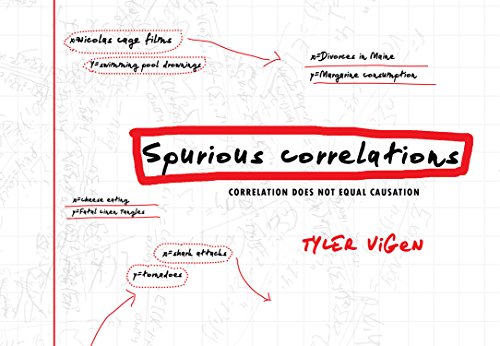
Want to learn more about why correlations like “Trained Catholic exorcists in the US” vs “Energy drink sales in the US” don't prove causation? Read our guide to statistical thinking.