Satellite launches per year worldwideSpotify #1 artist annual streams
It turns out that humanity's impulse to launch objects into space and humanity's impulse to stream the same three artists on repeat are governed by the same invisible hand, which is either the hand of God, the hand of the market, or possibly just the hand of someone very bored at a spreadsheet. Between 2015 and 2023, for every additional satellite we hurled skyward, Spotify's number-one artist gained approximately 847 million more streams, a relationship so tight it suggests the universe is fundamentally organized around matching graphs. One wonders if we launched the satellites specifically to improve streaming latency for whoever was winning.
What's actually happening here is almost certainly three things at once: global internet penetration was climbing like a fever throughout this period, with both satellite deployment and music streaming racing to serve the same growing population of newly connected humans; economic growth in emerging markets created both the infrastructure appetite and the disposable income for unlimited music subscriptions; and the sheer consolidation of streaming platforms meant that whoever was winning in 2015 was likelier to keep winning through algorithmic amplification and playlist dominance. The real third variable is probably just 'the world got richer and more connected,' which is a boring answer but explains why a satellite launched from Kazakhstan correlates with Bad Bunny getting streamed 18 billion times—both are symptoms of the same expanding global middle class and smartphone penetration. By 2023, there were roughly 8,000 active satellites in orbit and the top artist was pulling in something approaching 20 billion annual streams, two numbers that sound unrelated until you realize they're both just counting how thoroughly we've networked ourselves.
The real question is whether we've discovered a law of nature or simply demonstrated that enough data points will find each other if left alone long enough. Spurious correlation is often just causality wearing a disguise, or three separate truths moving to the same economic rhythm. But sometimes it's just the universe reminding us that we're very good at noticing patterns, whether they're there or not.
As an Amazon Associate, getspurious.com earns from qualifying purchases. Learn more.
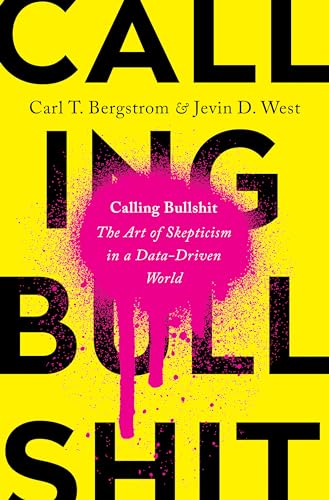
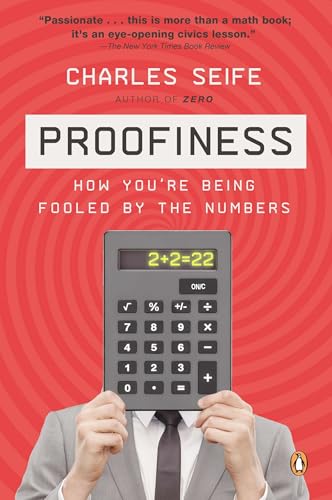
Want to learn more about why correlations like “Satellite launches per year worldwide” vs “Spotify #1 artist annual streams” don't prove causation? Read our guide to statistical thinking.