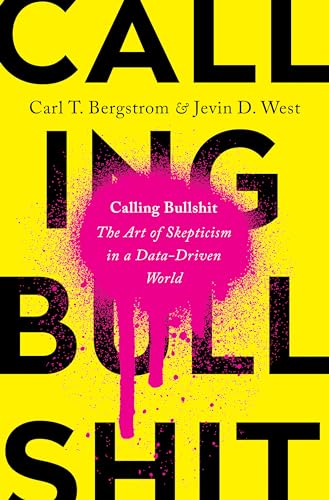
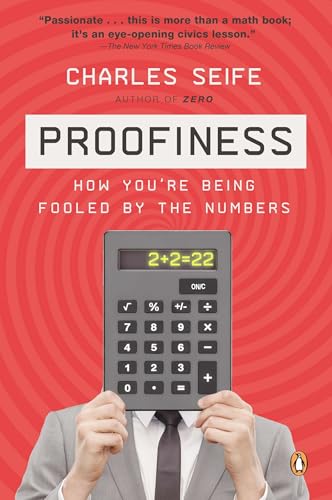
Pay phones remaining in the USCost per watt of solar panels
It is a curious fact, and one that would probably amuse whatever cosmic force manages these things, that as Americans stopped needing to feed quarters into metal boxes to call their mothers, the price of converting sunlight into electricity dropped in almost perfect synchronisation, as if the universe had decided that payphones and solar panels were, after all, just two ways of trying to stay connected to something. The correlation is 0.981, which is to say: absurdly high. One might expect the stock price of artisanal pickle companies to wander off in its own direction, but no, the payphones and the solar panels decided to hold hands on the way down.
The real culprit here is almost certainly the shared economic timeline rather than any direct causal relationship between copper telephone booths and photovoltaic cells, though I confess I spent a full minute imagining one. Both trends were pulled along by the same currents: rapid technological obsolescence driven by smartphones, falling manufacturing costs in Asia, improved supply chains, and a general cultural drift away from public infrastructure toward personal devices. From 2005 to 2022, the payphone population collapsed from roughly 400,000 units to fewer than 100,000, while solar panel costs dropped from about 3 dollars per watt to something closer to 30 cents, and both of these things happened because humans got better at making things cheaply and because older ways of doing things became invisible almost overnight. It's rather like watching a photograph fade: not because anything is attacking the photograph, but because the room got brighter.
What we're really looking at is two separate obituaries written in the same decade, two technologies being shuffled toward irrelevance by the same great shuffling force of efficiency and change. The pay phones and the solar panels aren't talking to each other; they're just both leaving the room at the same moment, which is almost certainly not a sign of anything except that we live in a time when nearly everything is. The correlation tells us almost nothing except that we are pattern-seeking creatures living through a period of radical acceleration.
As an Amazon Associate, getspurious.com earns from qualifying purchases. Learn more.
Want to learn more about why correlations like “Pay phones remaining in the US” vs “Cost per watt of solar panels” don't prove causation? Read our guide to statistical thinking.