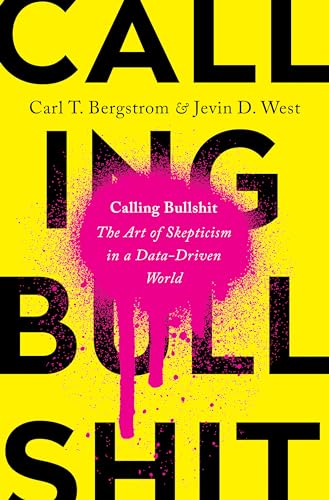
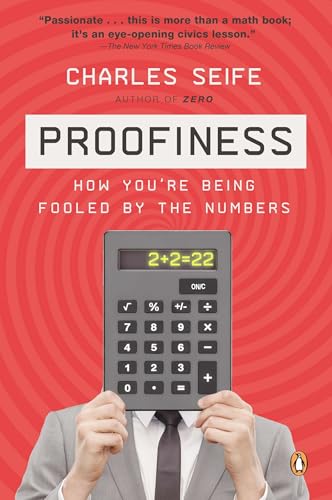
US cigarette consumptionAverage US movie ticket price
It is a curious fact, and one that ought to worry us more than it apparently does, that the amount of smoke Americans chose to inhale declined almost perfectly in inverse proportion to how much they were willing to pay for the privilege of sitting in a dark room eating overpriced popcorn. Between 2005 and 2015, these two entirely unrelated human activities performed an elegant statistical dance, moving in opposite directions with the kind of precision usually reserved for planetary orbits or the timing of sitcom punchlines. One might reasonably ask whether the cinema was charging us more because we were smoking less, or whether we were smoking less because we had no money left after cinema tickets.
The real story here is almost certainly economic gravity, that invisible force which pulls on both cigarettes and movie tickets with equal indifference. As the 2008 recession unfolded, discretionary spending shifted in unpredictable ways: fewer people bought cigarettes (they were getting more expensive anyway, thanks to tax increases), while those who did go to cinemas found themselves paying more as studios and theaters compensated for shrinking audiences and rising production costs. What we're really watching is the slow reshuffling of how Americans spent money during a decade of financial anxiety—a period when a pack of cigarettes cost roughly the same as it does today, but a movie ticket rose from about seven dollars to thirteen, a near doubling that makes the cigarette decline look almost quaint by comparison.
We are pattern-seeking creatures living inside an intricate web of cause and effect, and sometimes two things merely dance together without actually knowing each other's names. The correlation between US cigarette consumption and movie ticket prices is almost impossibly tight, which tells us something interesting about statistical noise, economic cycles, and our collective tendency to make meaning from coincidence. The human brain is apparently very good at seeing relationships, and very bad at caring whether they matter.
As an Amazon Associate, getspurious.com earns from qualifying purchases. Learn more.
Want to learn more about why correlations like “US cigarette consumption” vs “Average US movie ticket price” don't prove causation? Read our guide to statistical thinking.