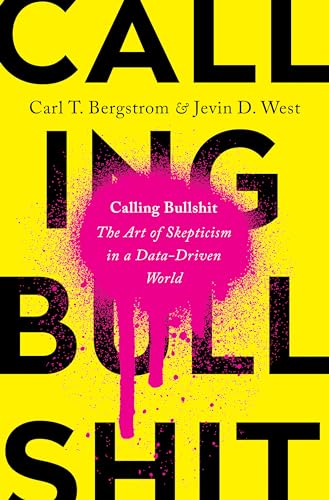
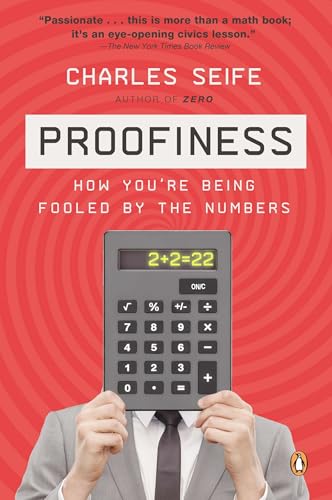
US pet food total market salesAI papers published on arXiv per year
It is a curious feature of the twenty-first century that the rate at which we publish academic papers about artificial intelligence has moved in almost perfect synchrony with the rate at which we spend money feeding our pets, as though the two activities were somehow connected by a thread invisible to everyone except the data. The correlation is 0.987, which is the kind of number that makes you want to ask whether the researchers are writing papers about their cats or whether the cats are editing the papers. Neither, obviously, but the question lingers.
AI paper output on arXiv roughly quadrupled between 2010 and 2022, riding the deep learning wave that began with AlexNet in 2012 and accelerated through transformers, GPT, and the generative AI boom. US pet food sales grew from about 28 billion to 58 billion over the same period, driven by premiumization, pet humanization, and the simple fact that pet ownership rates climbed as more millennials chose animals over children—or at least before children. Both trends are powered by the same underlying economic engine: a growing, increasingly affluent, increasingly educated urban population that spends money on research grants and organic kibble with equal conviction.
Thirteen years of AI papers and pet food moving together is a portrait of a society that is simultaneously teaching machines to think and teaching itself to feed animals like royalty. The connection between the two is nothing more than prosperity and priorities, but it is a remarkably clean nothing. The models learn, the pets eat, and the correlation means exactly what it should: zero.
As an Amazon Associate, getspurious.com earns from qualifying purchases. Learn more.
Want to learn more about why correlations like “US pet food total market sales” vs “AI papers published on arXiv per year” don't prove causation? Read our guide to statistical thinking.