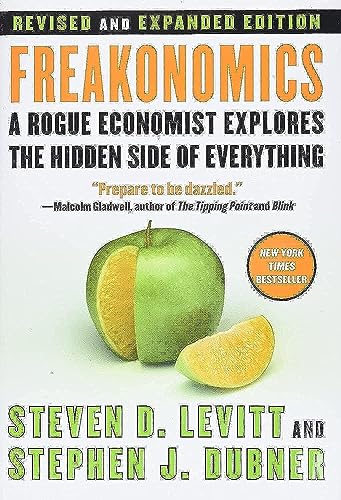
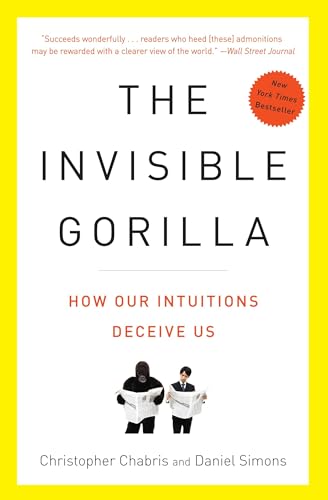
US board game market revenueUS public library visits
It is a curious fact, and one that has troubled statisticians for some time, that the more Americans decided board games were worth spending money on, the fewer of them bothered to visit their local libraries, as though the nation collectively received a memo suggesting these two activities could not coexist in the same timeline. The correlation is nearly perfect, which is to say it is almost certainly meaningless, which is to say we have found yet another way to convince ourselves that everything means something.
What's actually happening here is probably far more mundane and rather sad: libraries have been steadily gutted by budget cuts and digital competition since 2010, while board games experienced a genuine cultural renaissance driven by the rise of designer games, streaming entertainment about games, and the simple fact that board games became cool in a way they hadn't been since your parents' Trivial Pursuit phase. Both trends are probably being pushed by the same underlying force—the steady migration of leisure time and discretionary spending toward home-based entertainment, accelerated by smartphones, then by pandemic isolation. Consider that a household's total entertainment budget is roughly finite; according to the Bureau of Labor Statistics, Americans spend around $3,200 per year on entertainment and recreation, which means every dollar flowing toward Catan is a dollar not flowing toward a library card.
What we're witnessing is not a rivalry between games and books, but rather the quiet redistribution of how we choose to spend our free time and our money, and the datasets simply happened to move in opposite directions while we were too busy noticing the correlation to ask why. This is not a warning about anything. Board games are just winning right now.
As an Amazon Associate, getspurious.com earns from qualifying purchases. Learn more.
Want to learn more about why correlations like “US board game market revenue” vs “US public library visits” don't prove causation? Read our guide to statistical thinking.