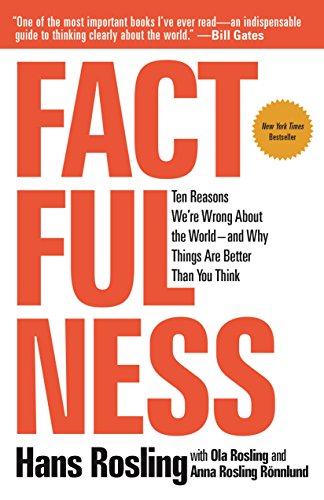
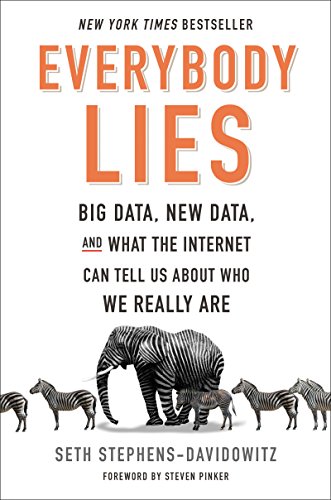
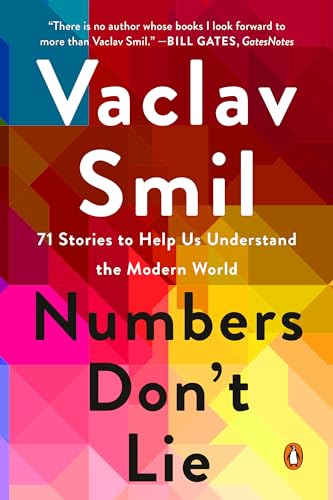
US online dating industry revenueTweets sent per day (Twitter/X)
It appears that somewhere around 2008, the universe decided that the number of people desperately seeking romance on the internet should move in perfect synchronisation with the number of people desperately posting their lunch photos to a now-renamed platform, and for fourteen years it simply refused to stop. One might have expected the correlation to fracture under the weight of its own absurdity, but no. They remained entangled like two people on a terrible first date who keep discovering they've both been to the same obscure pottery museum.
What's probably happening here is that both metrics are essentially measuring the same underlying phenomenon: the internet getting older, richer, and more convinced of itself. Between 2008 and 2022, smartphone adoption went from novelty to oxygen, global internet users nearly tripled to almost 5 billion people, and a generation that grew up online reached dating age. The online dating industry swelled from roughly $1 billion to $4 billion annually during this period, while Twitter went from 100 million daily tweets in 2011 to over 500 million by 2020. Both trends surf the same wave of connectivity, leisure time, and that particular modern desperation to quantify and advertise our existence, whether we're seeking a partner or seeking validation from strangers.
So we've discovered that two entirely different industries measuring two entirely different human needs have moved in lockstep for fifteen years, which is either profoundly meaningful or profoundly meaningless, and we've chosen to present it to you without deciding which. The real question isn't whether dating apps and tweet volume are related, but whether we should be alarmed that we're still surprised when human behaviour turns out to be that predictable. Perhaps we're all just following the same rhythm, and nobody thought to ask who was conducting.
As an Amazon Associate, getspurious.com earns from qualifying purchases. Learn more.
Want to learn more about why correlations like “US online dating industry revenue” vs “Tweets sent per day (Twitter/X)” don't prove causation? Read our guide to statistical thinking.