Tesla vehicles deliveredUS pet insurance policies in force
It is a curious fact, and one that ought to surprise nobody, that the number of electric vehicles Elon Musk managed to convince Americans to buy moves in almost perfect synchronicity with the number of insurance policies Americans took out for their pets, as if some invisible hand were coordinating the great anxieties of the middle class. Both trends climb from 2015 to 2022 with the kind of eerie alignment that usually only happens when you're looking at the same thing twice and don't realise it. Which they almost certainly are not.
The real explanation, of course, is almost certainly that both Tesla deliveries and pet insurance policies were riding the same economic wave. Between 2015 and 2022, the US economy recovered from recession, household incomes rose, and people with disposable income started doing two very American things: buying nice cars and insuring things they loved. Pet ownership didn't spike dramatically, but pet owners became richer and more willing to spend money on their animals, the way they became willing to spend fifty thousand dollars on a car that charges itself. Both are essentially luxury goods dressed up as practical necessities, and they appeal to the same underlying psychological moment: a person in their late thirties who has enough money to make one good choice and is going to make it count.
What we're looking at here is not evidence of some great cosmic conspiracy, but rather a mirror held up to consumer behaviour during a period of relative prosperity, reflecting back the same purchasing priorities in two entirely different registers. The correlation is real. The causation is just us, spending money on what we value most when we finally can. Tesla and pets ask nothing of each other.
As an Amazon Associate, getspurious.com earns from qualifying purchases. Learn more.
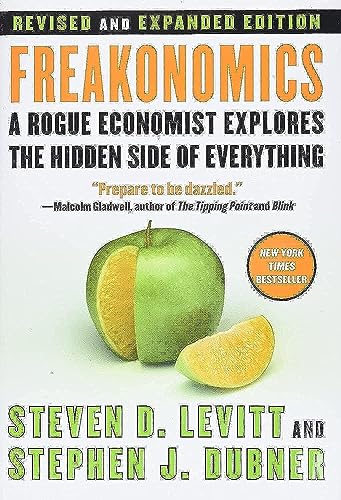
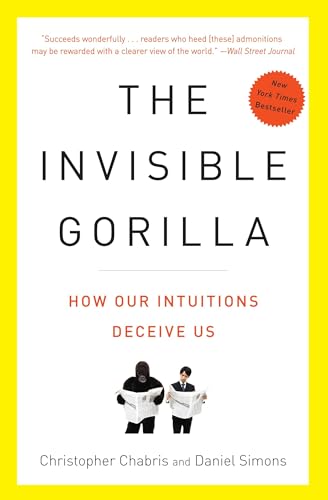
Want to learn more about why correlations like “Tesla vehicles delivered” vs “US pet insurance policies in force” don't prove causation? Read our guide to statistical thinking.