Swimming pool drowning deaths in the USUS counties reporting good air quality days
Here we have two statistics that appear to have made a pact to move in opposite directions, which is rather like discovering that ice cream sales and snowfall have decided to become bitter enemies, or that the more people learn to swim, the fewer of them do so in ways that end badly. The universe, it turns out, finds it hilarious to hide a 93 percent negative correlation between childhood aquatic fatalities and atmospheric particulate matter, as if some cosmic accountant decided that every clear-sky day must be purchased with a small and terrible price. One wonders what dark bargain was struck.
Both numbers moved sharply in 2020 for unrelated-but-pandemic reasons. Good-air-quality days jumped because lockdowns idled traffic and industry, briefly cleaning the skies over much of the country, while drowning deaths rose as distracted WFH parents left backyard pools lightly supervised. The correlation is the same virus casting light and shadow over the same summer.
What we're looking at is the statistical equivalent of noticing that umbrellas and wet shoes are correlated without realizing it rains, except in this case the rain is progress itself, boring and uneven and not distributed fairly. The datasets have not fallen in love; they have simply both been jostled in the same direction by the enormous invisible hand of economic development and public health bureaucracy. This tells us nothing except that we are very good at finding patterns in places where none exist, which is either our greatest strength or our most elaborate delusion.
As an Amazon Associate, getspurious.com earns from qualifying purchases. Learn more.
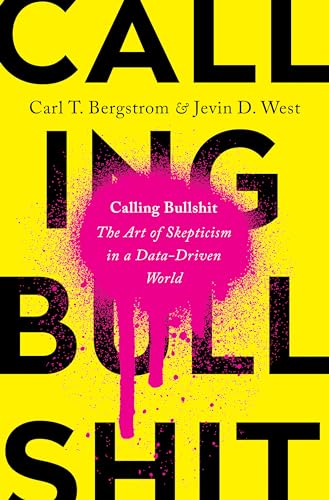
Want to learn more about why correlations like “Swimming pool drowning deaths in the US” vs “US counties reporting good air quality days” don't prove causation? Read our guide to statistical thinking.