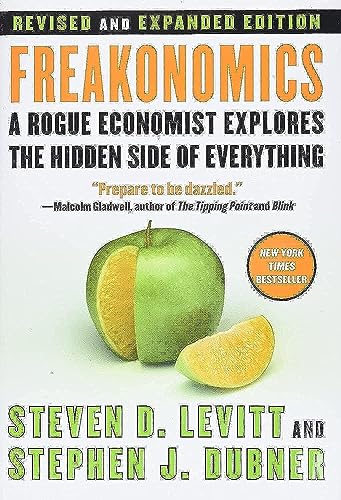
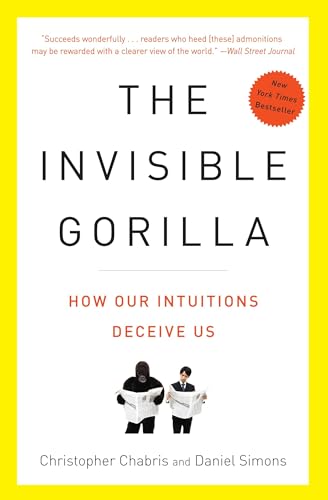
Shopping mall foot trafficSuper Bowl 30-second ad cost
American shopping-mall foot traffic going down as Super Bowl ad rates go up. Two completely opposite stories about American attention. The food court is emptier; the half-time slot has never been more expensive. The mall lost what the broadcast gained.
US shopping-mall foot traffic declined steadily across this window as e-commerce grew, anchor-store closures accelerated, and the mall format lost its 1980s-1990s default-leisure status. Super Bowl 30-second ad rates climbed from about 2.4 to over 7 million dollars in the same window as live audience scarcity lifted prices. The negative correlation is structurally legible: as physical retail attention fragmented, the rare unfractured live-audience moment became more valuable. The mall and the broadcast traded roles.
Attention left the mall and went somewhere more expensive. The same eyeballs, repriced.
As an Amazon Associate, getspurious.com earns from qualifying purchases. Learn more.
Want to learn more about why correlations like “Shopping mall foot traffic” vs “Super Bowl 30-second ad cost” don't prove causation? Read our guide to statistical thinking.