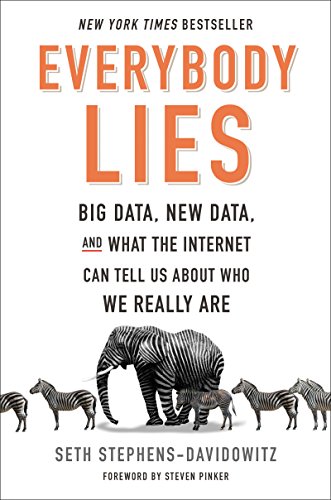
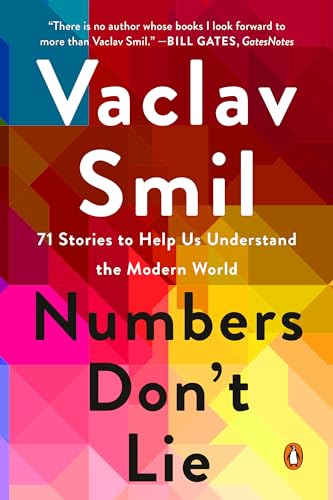
Industrial robots installed worldwideUS self-published books per year
As the machines rose — welding, sorting, painting, and assembling with tireless precision — humans responded in the only way that made sense: by writing novels about it and publishing them without asking anyone's permission. Between 2010 and 2023, every new robot bolted to a factory floor apparently inspired roughly the same fractional increase in self-published memoirs, fantasy trilogies, and business manifestos. It is, if nothing else, an encouraging sign that automation has not yet figured out how to write a 300-page thriller with a twist ending the author clearly invented at chapter eighteen.
Both industrial robotics adoption and self-publishing growth were driven by falling technology costs over the 2010s. Robot installation prices dropped dramatically as Chinese and South Korean manufacturers scaled production, while self-publishing was democratized by Amazon KDP, Smashwords, and print-on-demand services. The broader context is a decade of disruption anxiety: manufacturing workers displaced by automation had more time, more grievance, and more story to tell. Meanwhile, platforms that lowered barriers to entry drove exponential output in both domains — one in steel, one in prose.
Both curves are, at their core, stories about the same thing: what happens when the cost of making something approaches zero. Whether it's a robot arm or a paperback, the result is a world drowning in supply and wondering about demand.
As an Amazon Associate, getspurious.com earns from qualifying purchases. Learn more.
Want to learn more about why correlations like “Industrial robots installed worldwide” vs “US self-published books per year” don't prove causation? Read our guide to statistical thinking.