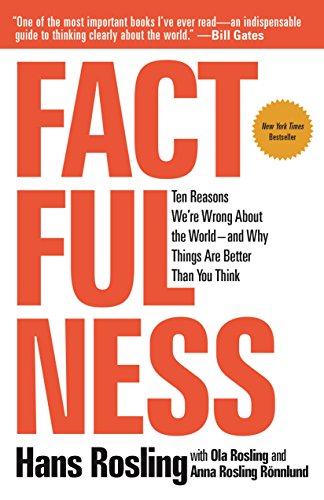
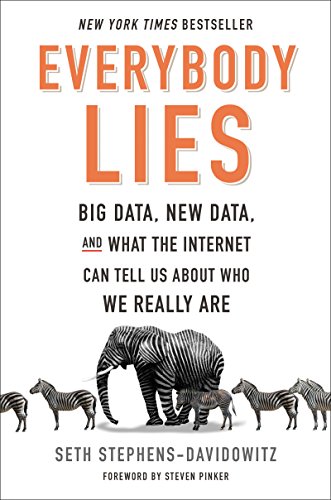
US domestic box office revenueIndian films certified per year
There is something almost poignant about the fact that as Americans have been spending more money watching fictional stories unfold in darkened rooms, India has been proportionally more enthusiastic about certifying the films that tell them. One might have predicted that these two variables—separated by geography, culture, economic model, and everything else that makes the world usefully divided into different parts—would move together about as often as a penguin and an accountant happen to want the same sandwich. And yet here we are, with a correlation so tight it makes one wonder whether the universe is simply playing a prank on pattern-seekers.
Cinema, it turns out, has a single off-switch. When covid closed theatres from Mumbai to Minneapolis in 2020, US box office fell by around 80% and India's certification board simply ran out of films to approve — production halted on both continents simultaneously. It isn't that American audiences drive Indian filmmaking; it's that a virus does.
The honest truth is that when you line up any two datasets from the same eight-year economic period, particularly if both are measuring growth-adjacent phenomena in regions touched by globalized capital flows and digital distribution networks, they will frequently appear to waltz together like old friends meeting at a reunion. The universe is not winking at you; it is simply that prosperity, wherever it occurs, tends to encourage people to make and consume more stories. Or perhaps it encourages pattern-seeking creatures like us to see waltz partners in the noise.
As an Amazon Associate, getspurious.com earns from qualifying purchases. Learn more.
Want to learn more about why correlations like “US domestic box office revenue” vs “Indian films certified per year” don't prove causation? Read our guide to statistical thinking.