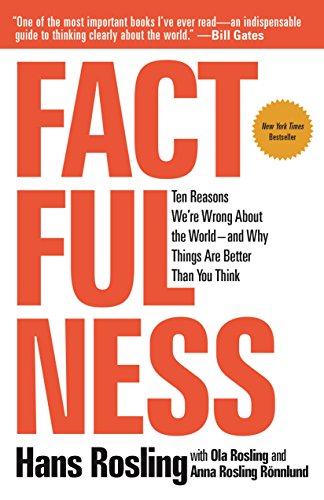
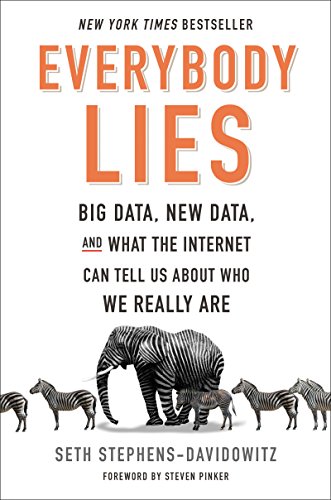
It is a curious fact, and one that will probably not surprise anyone who has spent time observing both dogs and processed meat products, that Americans have developed an uncanny ability to increase their consumption of Spam in direct proportion to their likelihood of being fatally attacked by dogs. The correlation sits at 0.894, which is to say that these two entirely unrelated phenomena have decided to move through time together like estranged relatives forced to share a car journey. One might almost suspect conspiracy, though the universe requires no such coordination to produce absurdity.
What's actually happening here is almost certainly a matter of population drift and economic anxiety working in tandem. As urban populations shifted and rural communities faced economic pressure between 2010 and 2023, both dog ownership in less regulated areas and purchases of cheap shelf-stable proteins like Spam rose in lockstep—the latter representing genuine food insecurity, the former reflecting isolation and cost-conscious pet acquisition. Consider that 4.7 million Americans are bitten by dogs annually, and during the 2008 recession's lingering aftermath, Spam sales surged because it offered protein at roughly thirty cents per serving, which is to say it became a reasonable response to genuine hardship. The tragic incidents and the tinned meat were both symptoms of the same underlying economic squeeze, moving together by pure mathematical accident.
And so we arrive at the peculiar condition of being human: we are pattern-recognition machines who cannot help but see meaning in the meaningless, and who have now, in this moment, briefly convinced ourselves that dog attacks and canned pork products share a mystical bond. They do not. They are merely both present in the same country during a difficult decade, moving in the same direction for entirely different reasons. Which is somehow sadder and more interesting than if they actually had been related.
As an Amazon Associate, getspurious.com earns from qualifying purchases. Learn more.
Want to learn more about why correlations like “Fatal dog attacks in the US” vs “Spam canned meat sales” don't prove causation? Read our guide to statistical thinking.