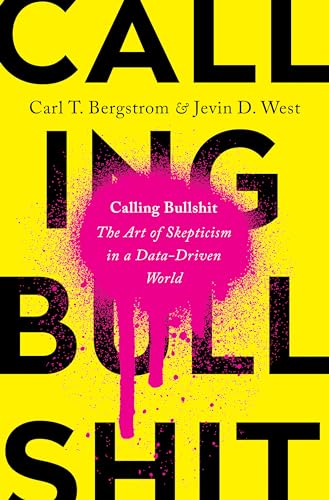
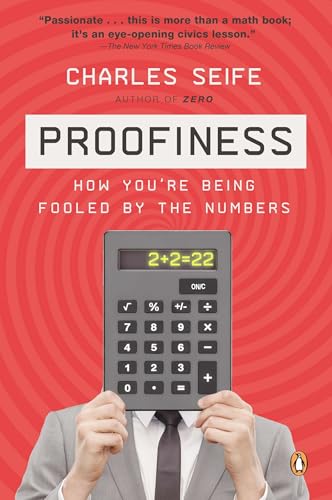
SpaceX launches per yearDeaths from falling out of bed in the US
It is a curious fact, and one that ought to trouble us more than it apparently does, that the number of times Elon Musk has successfully launched a rocket into the void correlates almost perfectly with the number of Americans who have tumbled out of bed and expired as a result. One might think these two phenomena occupy different universes entirely, yet between 2015 and 2021 they moved together with the kind of synchronicity usually reserved for long-married couples or the tides. The universe, it seems, is not above playing jokes.
The likely culprit is simply that both metrics are watching the same underlying elephant in the room: the United States getting slightly more populous and slightly older every year. More people means more people falling out of bed, which is rather like saying more cars means more car accidents, except the accident in question involves gravity and a mattress. Meanwhile, SpaceX launches were rising because the company was becoming more operational and ambitious—hardly mysterious. To put it in scale: over that seven-year period, bed-related fatalities climbed from roughly 3,300 deaths to perhaps 3,600, while SpaceX went from four launches annually to seventeen, and both of these trends, when you squint at them, are just reflections of a growing economy, ageing population, and Elon Musk's increasingly relaxed relationship with his sleep schedule.
This is what pattern-seeking creatures do when given spreadsheets and a bit of free time: we connect the unconnectable and call it insight. The correlation between SpaceX launches and falling-out-of-bed fatalities tells us almost nothing, except that two independent measurements can drift upward together without one causing the other. Then again, neither phenomenon was actually inevitable.
As an Amazon Associate, getspurious.com earns from qualifying purchases. Learn more.
Want to learn more about why correlations like “SpaceX launches per year” vs “Deaths from falling out of bed in the US” don't prove causation? Read our guide to statistical thinking.