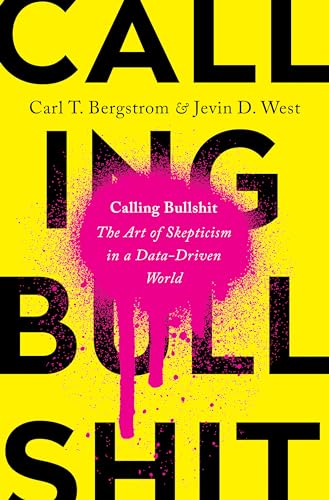
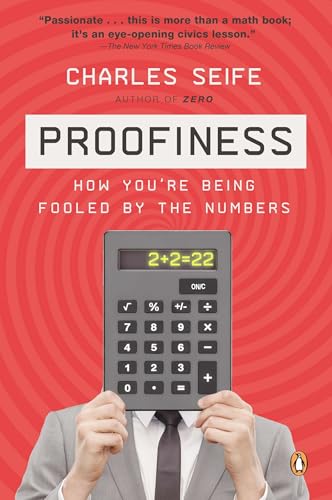
It is a curious fact, and one that has probably not escaped the notice of anyone who thinks about it very much, that as Chinese engineers and entrepreneurs have rushed to patent their innovations between 2010 and 2021, pedestrians in various countries have simultaneously become better at being struck by vehicles at proportionally similar rates. This is, of course, almost certainly a complete coincidence, though it does rather suggest that the universe enjoys a joke so elaborate that even it has probably forgotten the punchline.
What's almost certainly happening here is that both metrics are riding the same economic wave. China's explosive growth over this period meant more cars on roads, more factories producing them, more wealth to fund R&D labs, and yes, unfortunately more people stepping into traffic during rush hour. The prosperity that generates patent applications generates automotive congestion; the congestion generates fatalities. It's rather like noticing that sandwich sales correlate with swimming pool drownings—both spike in summer, and summer itself is the actual culprit. Between 2010 and 2021, China's patent filings grew from roughly 400,000 to 1.4 million, an astonishing acceleration that mirrors, with eerie precision, the growing pains of a nation trying to motorise itself faster than pedestrians can learn to look both ways.
The real lesson here is not that innovation kills, but that we are pattern-recognition machines who will absolutely notice when two completely separate numbers move in the same direction, regardless of whether that observation teaches us anything true about the world. The correlation is real. The meaning is imaginary. We simply cannot help ourselves.
As an Amazon Associate, getspurious.com earns from qualifying purchases. Learn more.
Want to learn more about why correlations like “Pedestrian traffic fatalities” vs “China resident patent applications” don't prove causation? Read our guide to statistical thinking.