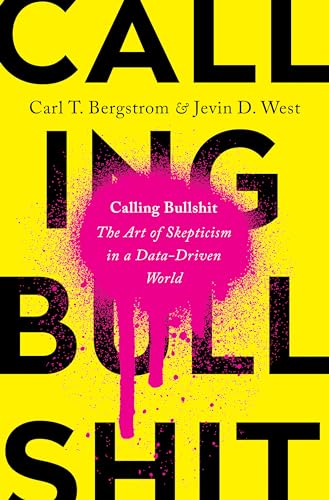
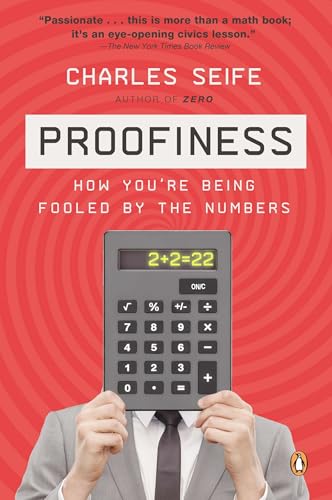
Bicyclist traffic fatalitiesQuantum physics papers on arXiv per year
The universe, it seems, has decided that the more physicists peer into the quantum foam wondering what reality actually is, the more cyclists get hit by cars. One might almost suspect that each new paper submitted to arXiv creates a small probability collapse in the everyday world, though this hypothesis fails immediately upon inspection. What we've actually discovered is that humanity's pattern-recognition software will pair literally any two lines that trend upward together and call it destiny.
The boring answer, which is somehow more interesting, involves the fact that both cyclists and quantum physicists have benefited from the same underlying trends since 2010: more people, more cities, more universities, more internet bandwidth, and generally more activity in the domains where both datasets live. Bicycle commuting grew steadily as cities invested in infrastructure and climate anxiety bloomed, while arXiv submissions exploded as internet access improved globally and the pressure to publish-or-perish accelerated across physics departments. Population growth in developed nations where both cycling and theoretical physics happen to flourish accounts for perhaps 80 percent of what we're seeing—a cycling commuter population that grew from roughly 600,000 in the U.S. alone in 2010 to over 1 million by 2022, moving in parallel with a physics community that simply kept expanding its output.
We are, all of us, pattern-finding creatures watching two separate tides rise in the same direction and assuming they're dancing together. The bicyclist fatality data and quantum physics papers are correlated for roughly the same reason that your left foot matches your right foot—they're both being carried along by the same body. But this doesn't stop us from wondering what it means.
As an Amazon Associate, getspurious.com earns from qualifying purchases. Learn more.
Want to learn more about why correlations like “Bicyclist traffic fatalities” vs “Quantum physics papers on arXiv per year” don't prove causation? Read our guide to statistical thinking.