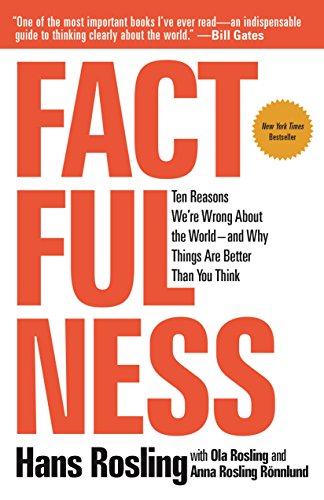
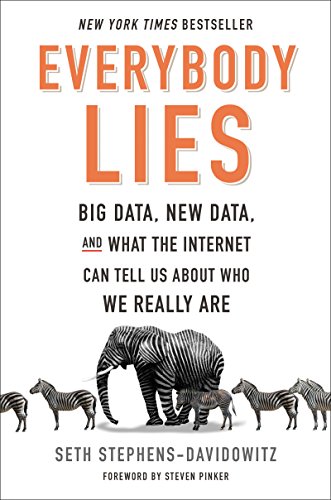
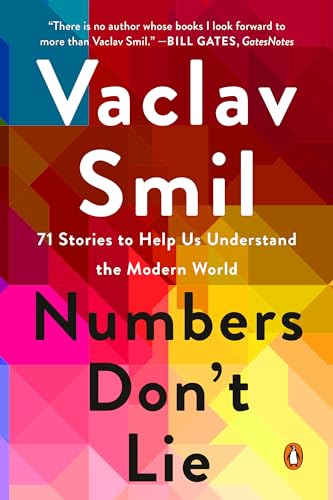
Average US movie ticket priceUS secondhand/thrift store market
It appears that Americans have discovered a perfect economic synchrony whereby the more they pay to watch other people's stories unfold on screens, the more eagerly they rifle through bins of other people's cast-off belongings, as though there were some invisible transaction occurring between the multiplex and the Goodwill. One might imagine a cosmic accountant somewhere, nodding with satisfaction at the symmetry. The universe, it turns out, prefers its absurdities balanced.
What's actually happening here is almost certainly the slow, grinding shift in how Americans relate to money during a twelve-year period of economic recovery, wage stagnation, and the creeping understanding that certain luxuries had become necessities while certain necessities had become luxuries. Thrift store shopping boomed as inflation quietly eroded purchasing power and younger generations embraced secondhand consumption as both economic necessity and aesthetic choice, while ticket prices climbed because theaters had discovered they could charge more for the same experience—a feature, not a bug. Consider that a single movie ticket in 2023 costs roughly what it did to buy an entire wool coat at Goodwill in 2012; both are expressions of the same underlying pressure.
We are creatures who seek patterns with the enthusiasm of people looking for faces in clouds, and sometimes the clouds genuinely do contain faces, which is the part that keeps us looking. The real question isn't why thrift stores and movie tickets move together, but why we feel so compelled to believe they should, as though the economy were a grand narrative demanding symbolic coherence rather than a mess of independent variables bumping into one another. Perhaps that's why we keep watching movies and shopping secondhand.
As an Amazon Associate, getspurious.com earns from qualifying purchases. Learn more.
Want to learn more about why correlations like “Average US movie ticket price” vs “US secondhand/thrift store market” don't prove causation? Read our guide to statistical thinking.