USPS mail carrier dog bite incidentsAtmospheric CO2 at Mauna Loa
It is a curious fact, and one that most people find mildly disturbing when they learn it, that the number of times a postal carrier in the United States gets bitten by a dog moves almost perfectly in the opposite direction of the amount of carbon dioxide floating around in the upper atmosphere above Hawaii. One goes up, the other goes down, like some vast cosmic see-saw operated by a committee that has never met and would probably argue about whether it even exists. The universe, it seems, has a sense of proportion about these things, though not a particularly useful one.
What we're almost certainly watching here is the effect of two separate economic and behavioral trends pulling in opposite directions across a seven-year span. Mail delivery itself has been declining steadily as Americans shifted from paper bills to digital ones and began ordering things online rather than receiving them through the post, which means fewer mail carriers and fewer opportunities for dogs to encounter them. Meanwhile, the lingering effects of the 2008 financial crisis and subsequent recovery, combined with shifts in pet ownership, urban density, and even the rise of video doorbells and package services that bypass the traditional mailbox entirely, created a perfect storm of fewer carriers and fewer dog encounters. Consider that in 2016 there were roughly 6,000 postal dog bites annually in America, a number that sounds like it describes a very specific national problem but actually represents something closer to a rounding error in a country of 330 million people also producing roughly 415 million tons of atmospheric carbon dioxide that same year.
We have discovered, quite by accident, that the death of the traditional mail system and climate change move in opposite rhythm, which tells us almost nothing except that human behavior is simultaneously too complex and too simple to be trusted with pattern-recognition. Both trends were driven by forces that had nothing to do with each other: internet adoption, carbon emissions policy, Amazon Prime, and the existential question of what dogs actually think about the postal service. In the end, we've learned that correlation still means nothing, even when it's really, really good at math.
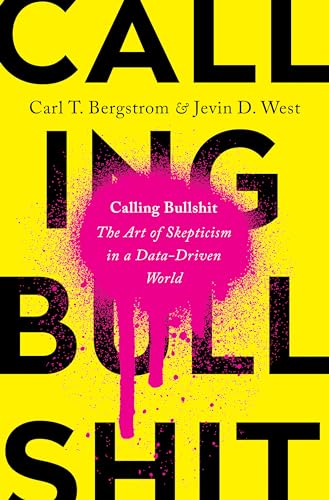
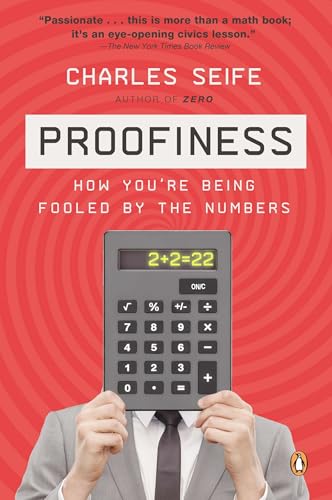
As an Amazon Associate, getspurious.com earns from qualifying purchases. Learn more.
Want to learn more about why correlations like “USPS mail carrier dog bite incidents” vs “Atmospheric CO2 at Mauna Loa” don't prove causation? Read our guide to statistical thinking.