Amtrak ridershipLadder-related ER visits in the US
It is a curious fact, and one that ought to trouble us more than it apparently does, that Americans have become progressively less interested in sitting on trains while simultaneously becoming less interested in falling off ladders. The correlation is almost perfect, which is to say it is almost certainly meaningless, which is also to say that we have discovered something true about the universe: that it will happily rearrange itself to match whatever story we decide to tell about it. One wonders what the ladders think.
Both bend in 2020, in opposite directions, for the same reason: Americans stopped travelling. Amtrak ridership collapsed as business trips vanished and vacations were cancelled, while ladder-related ER visits jumped as the same people, stuck at home, climbed onto roofs and into attics to finally fix the gutters. The correlation is what home-improvement stores call a pandemic.
What we have stumbled upon, then, is not a warning but a kind of mirror—two separate datasets that happen to catch the light at exactly the same angle, and in doing so reveal nothing about ladders or trains but rather something about our hunger to believe the world is more connected than it is. We are pattern-recognition machines operating in a cosmos of random noise, occasionally striking gold and more often just striking ourselves with something heavy. The universe, it seems, is neither kind nor unkind; it simply reflects what we're looking for.
As an Amazon Associate, getspurious.com earns from qualifying purchases. Learn more.
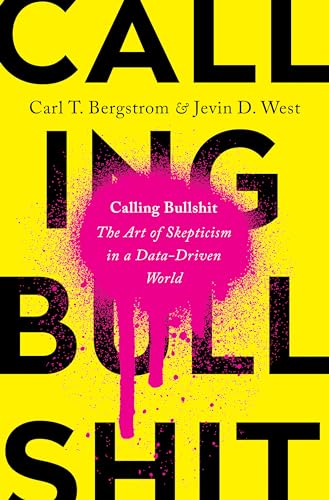
Want to learn more about why correlations like “Amtrak ridership” vs “Ladder-related ER visits in the US” don't prove causation? Read our guide to statistical thinking.