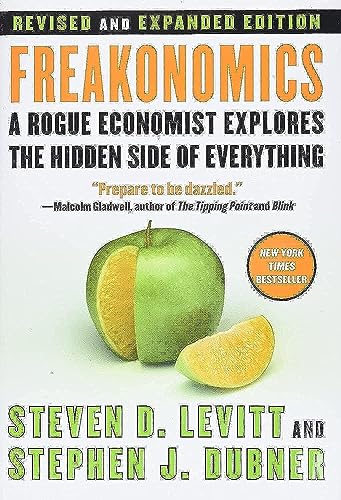
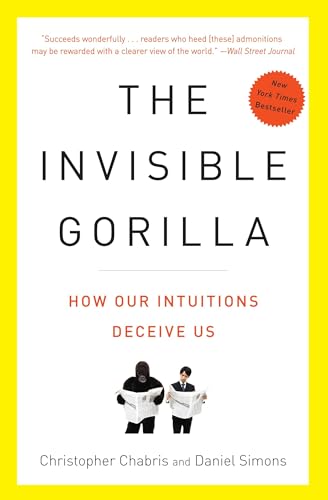
It turns out that the amount of money Americans spend on their pets—treats, toys, veterinary services, that weird elevated feeding bowl your dog refuses to use—has followed Amazon's revenue with the precision of a particularly obedient golden retriever, to the point where if you fed one dataset into a machine learning algorithm it would simply output the other. This suggests either that Jeff Bezos has been secretly optimising his business model around puppy kibble prices, or that both phenomena are riding the same vast wave of something larger, which is perhaps the only thing more unsettling than the correlation itself.
What's probably happening here is that both lines are charting the same underlying economic phenomenon: the slow, relentless thickening of American consumer spending between 2005 and 2023, driven by rising incomes, growing pet ownership (Americans now own roughly 67 million dogs), and the normalisation of spending on animals as a category of legitimate lifestyle investment rather than agricultural necessity. Amazon, meanwhile, was growing explosibly as the infrastructure for that very spending—every pet bed, every specialty dog food, every automatic litter box purchased on Prime in 2023 would have been impossible to buy this way fifteen years earlier. It's rather like noticing that elevator usage and office building height correlate perfectly, and feeling briefly mystified before remembering that elevators are why tall buildings exist.
The real story here isn't that spending on pets caused Amazon to grow, or vice versa, but that both are passengers on the same economic escalator: a wealthier, more leisure-focused America that increasingly treats animals as family members deserving of premium goods and services. We are pattern-seeking creatures who have convinced ourselves that a 0.994 correlation means something profound, when really it just means two things reflected in the same mirror. The mirror is probably plastic and purchased online.
As an Amazon Associate, getspurious.com earns from qualifying purchases. Learn more.
Want to learn more about why correlations like “US pet industry spending” vs “Amazon annual revenue” don't prove causation? Read our guide to statistical thinking.